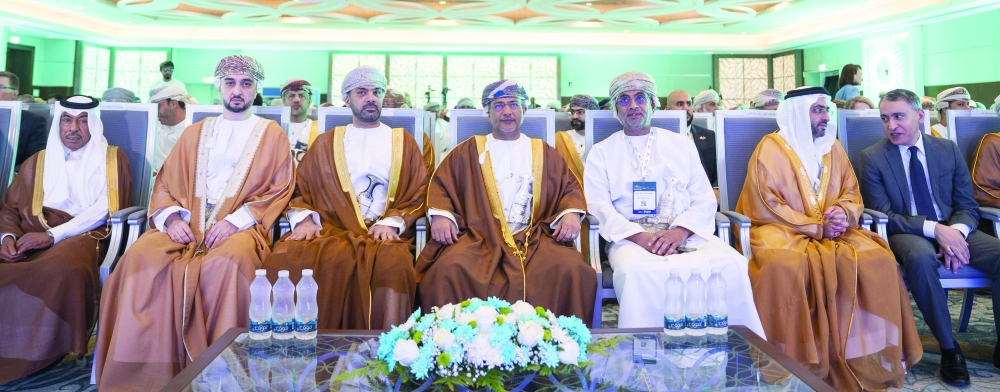





MUSCAT, OCT 12
Oman's electricity generation rose 5.7 per cent in the first half of 2026, as the country works to lift the share of renewables in its power mix to as much as 40 per cent by 2030.
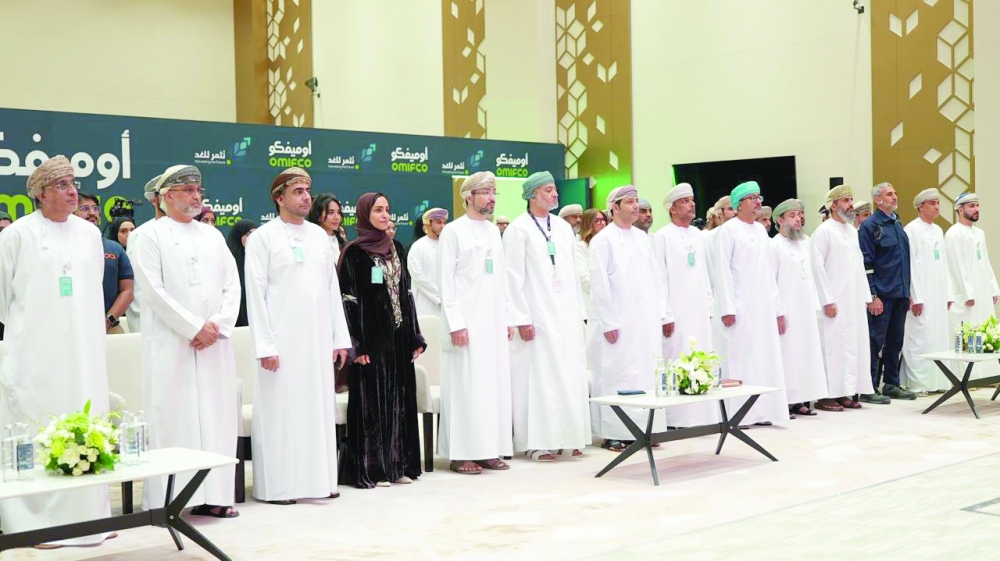
Generation reached about 50.97 terawatt-hours in 2025, an increase of 3.7 per cent, said Mohsin bin Hamad al Hadhrami, Under-Secretary of the Ministry of Energy and Minerals, at the opening of the fifth edition of IEEE PowerTalks 2026 at the Oman Convention and Exhibition Centre.
He said the figures reflected the expansion of development, industrial and investment projects, underscoring the importance of proactive planning to meet future demand and maintain reliable, economically efficient supply.
"The Sultanate of Oman is pursuing a strategic approach to developing its electricity sector, centred on diversifying generation sources, expanding transmission and distribution networks, and strengthening GCC electricity interconnection," he said. "This approach reinforces energy security, supports economic growth and enhances investment attractiveness."
Al Hadhrami said Oman aims to raise the contribution of renewable energy from about 9 per cent in 2025 to between 30 and 40 per cent by 2030, and between 60 and 70 per cent by 2040, supporting its goal of net-zero carbon emissions by 2050.
He described diversifying the energy mix and improving generation efficiency as "two fundamental pillars of strengthening energy security and reducing emissions". The plan relies on integrating natural gas, solar and wind energy, developing waste-to-energy projects and exploring suitable water-based energy technologies.
Emissions reduced and avoided in the energy sector amounted to about 1.72 million tonnes of carbon dioxide equivalent, he said. A total of 31 projects are being monitored across the sector, with five completed by the end of the third quarter of 2026.
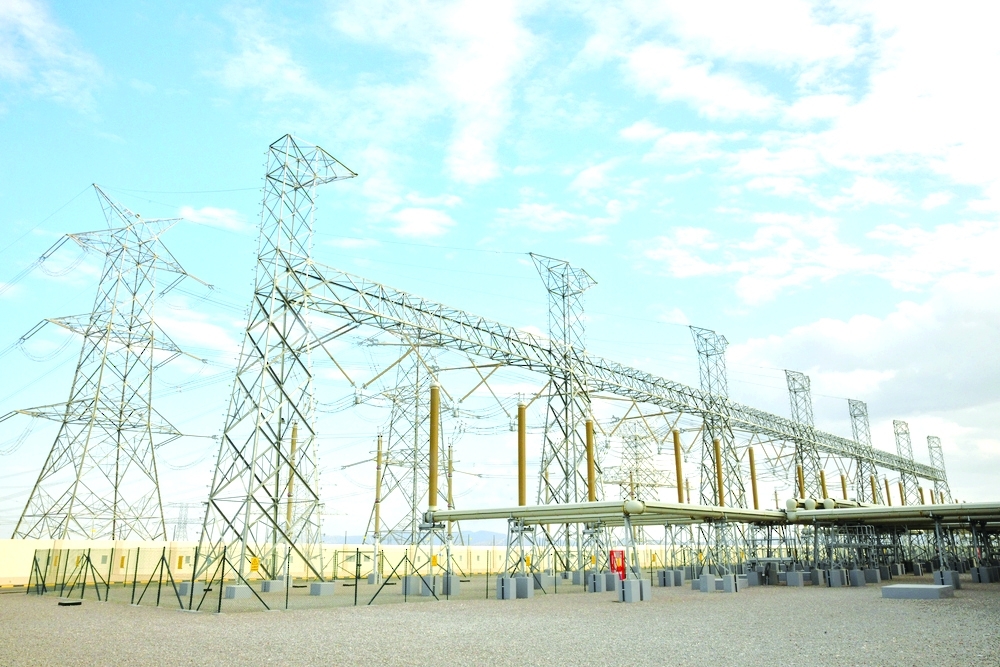
He called GCC electricity interconnection a strategic investment in collective energy security. This includes the direct interconnection project with Oman, which has a transmission capacity of up to 1,600 megawatts. He said the link facilitates electricity exchange, improves the use of generation capacity, cuts costs and helps the grid respond to emergencies and fluctuations in demand.
The next phase will prioritise policies, legislation, and regulatory and investment frameworks, Al Hadhrami said. It will also strengthen integrated planning between the electricity and water sectors to balance security of supply, economic efficiency and sustainability.
The three-day conference is hosted by Nama Electricity Distribution Company, with support from the Institute of Electrical and Electronics Engineers (IEEE) and the Authority for Public Services Regulation. It has drawn about 4,200 participants from 47 countries and more than 80 expert speakers and industry leaders.
The theme is "Powering the Future: Energy Transition Pathways and Grid Resilience". The programme covers six areas: electricity markets; sustainable energy and storage; power systems and grid solutions; distribution systems; energy efficiency; and asset management and performance optimisation.
"The distribution network is where the energy transition meets people's everyday lives," said Eng Alaa bin Hassan bin Moosa, Chief Executive Officer of Nama Electricity Distribution Company. "We are therefore advancing network digitalisation and deploying smart meters to ensure our network is ready to accommodate rooftop solar power and electric vehicle charging stations, while maintaining reliable service for more than 1.39 million customers."
Eng Hilal bin Mohammed al Ghaithi, Director General of Energy at the Authority for Public Services Regulation, told a session on electricity markets that market design must evolve alongside technology.
"Technology alone cannot deliver the energy transition," he said. "At the authority, we are working to develop a more competitive and transparent electricity market that provides investors with clear price signals, protects customers' interests, and establishes a regulatory environment that enables the efficient and reliable integration of renewable energy and distributed generation."
The session also covered regulatory change in Oman's electricity market, the country's experience with International Renewable Energy Certificates (I-RECs), financing the energy transition and flexibility as a commodity in power systems.
A second technical session examined power systems and grid solutions. Topics included completing the unified national grid by connecting northern and southern Oman, dynamic line rating to increase grid capacity, protection systems in digital substations and feeder protection for networks connected to renewable sources. Speakers came from Oman Electricity Transmission Company, Petroleum Development Oman, Oman Cables Industry, Siemens and Hitachi Energy.
Al Hadhrami also opened an accompanying exhibition, where 75 local and international companies are showcasing technologies for electricity generation, transmission, distribution and smart grids.
At the opening ceremony, Eng Abdullah bin Sulaiman al Wahaibi, Chair of the IEEE Power and Energy Society (IEEE PES), delivered an address. An executive panel followed, titled "Beyond the Crisis: Rethinking Electrical Energy Security in Light of the Middle East Crisis", moderated by Dr Talal al Aulaqi, Vice President of Energy Excellence at OQ Alternative Energy.
Oman Observer is now on the WhatsApp channel. Click here